

Mar 23, 2026
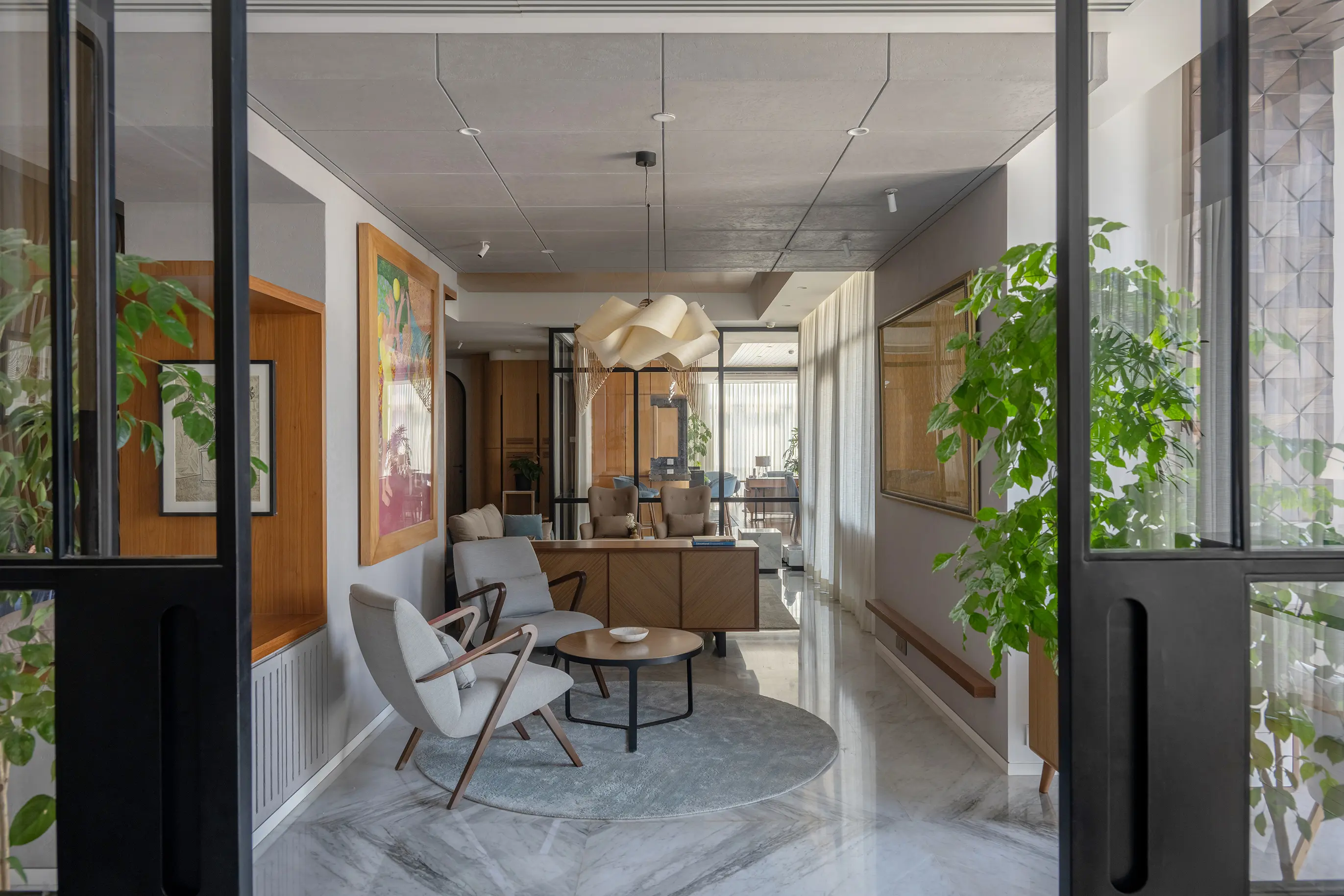
There is a quiet difference between a home that is well designed and one that is deeply considered. It is not always visible in a photograph, nor immediately understood in a drawing. It reveals itself slowly, in the way one moves through the space.
This is the essence of spatial sequencing in architecture.
Rather than treating a home as a collection of rooms, spatial planning in architecture approaches it as a continuous experience. Each space is shaped not only by its function, but by what comes before it and what follows. The result is a sense of flow that feels natural, almost instinctive, yet is carefully composed — a defining characteristic of luxury architecture and high-end residential design today.
The experience begins well before one steps inside. In modern luxury homes, a thoughtfully designed entrance does not reveal everything at once. There is a moment of pause, a transition that allows the outside world to fall away. The architecture creates a sense of anticipation, holding back just enough to make the arrival feel intentional.
As one moves further in, spaces begin to open and contract in a measured rhythm. Volumes expand where they need to, drawing in light and framing views, and become more contained where privacy or quiet is required. This balance between openness and restraint is what defines contemporary home design and distinguishes truly premium home interiors.
Nothing feels abrupt. Nothing feels excessive.
Instead, there is a clarity to how each space relates to the next. A living area connects effortlessly to its surroundings, yet maintains a sense of definition. Circulation is intuitive, never forced. Transitions are softened through light, proportion, and material, rather than walls alone. This is where architectural flow and movement become central to the experience.
Over time, these decisions begin to shape how the home is experienced on a daily basis. Movement becomes fluid. Spaces feel calm. Even the most functional elements take on a certain presence. A passage is no longer just a means of getting somewhere else, but part of the experience itself. A staircase becomes a moment of pause rather than simply a connection between levels.
What is often perceived as simplicity is, in reality, a high level of control — something that defines the best luxury interior design and high-end residential architecture.
Materiality plays a subtle but important role in reinforcing this flow. Shifts in texture, tone, and light guide movement without the need for emphasis. Natural light, in particular, becomes a quiet tool, drawing attention, creating depth, and marking transitions throughout the day. These nuances are what elevate modern luxury homes beyond aesthetics into experience.
When handled with sensitivity, this approach allows a home to feel both open and private at once. Spaces reveal themselves gradually, creating a sense of depth without relying on scale alone. The experience is layered, yet never overwhelming — a key principle in premium home design and contemporary luxury interiors.
This way of thinking reflects a broader shift in how we understand luxury today. It is less about statement and more about intention. Less about excess and more about clarity. The focus moves toward how a space feels to inhabit, rather than how it appears at first glance.
At its core, spatial sequencing in architecture brings structure to movement and meaning to progression. It allows architecture to unfold in a way that feels composed, intuitive, and enduring — qualities that define truly exceptional luxury architecture.
The most compelling homes are often the ones that do not try to impress all at once. They are the ones that reveal themselves gradually, holding a sense of quiet confidence.
And in that restraint, they leave a far more lasting impression.
