

Jan 19, 2026
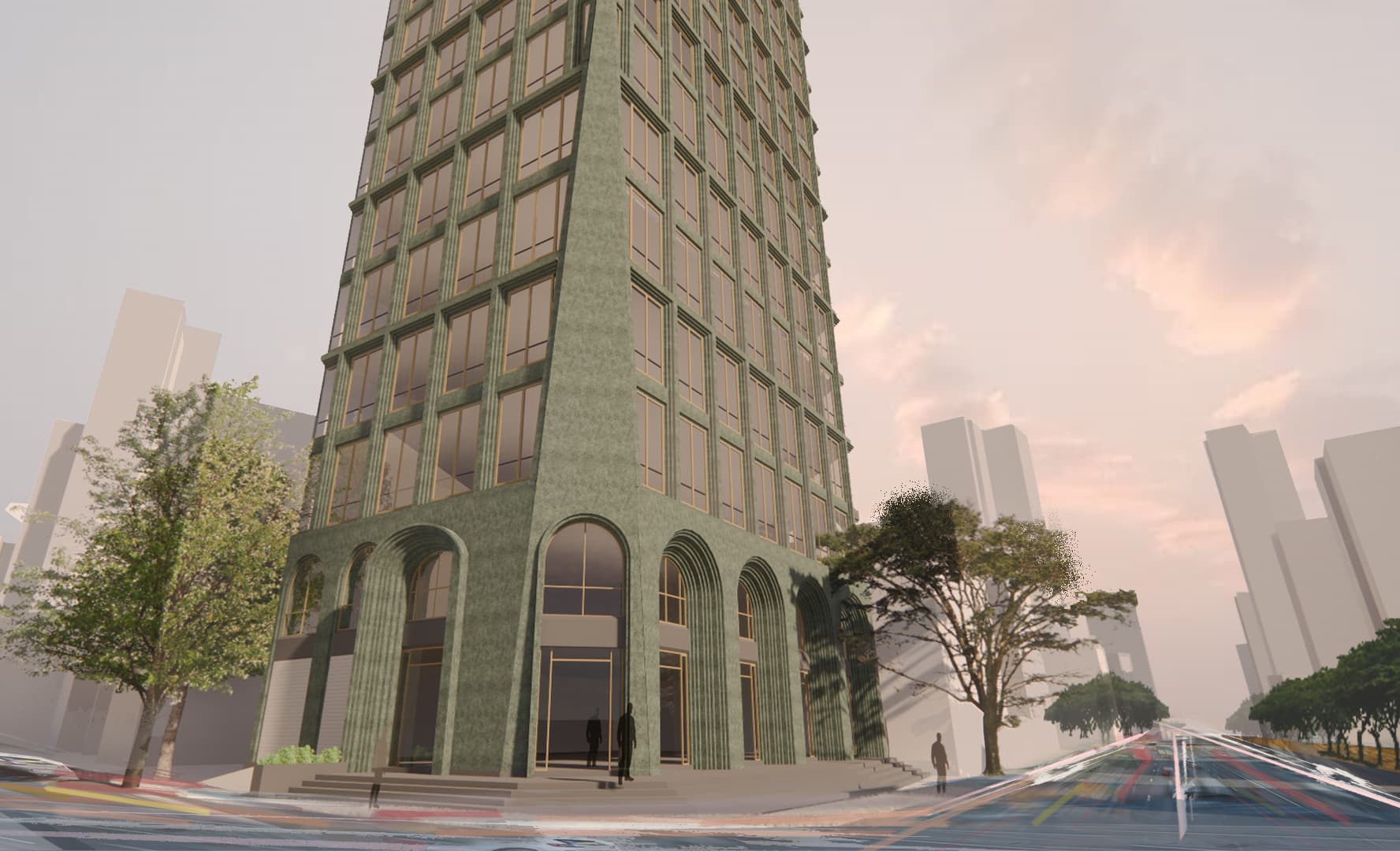
Service apartments and residential towers have become central to the way modern cities function. As urban populations grow and lifestyles evolve, these developments respond to the need for flexibility, efficiency, and long-term value. Positioned between residential living, hospitality, and commercial use, service apartments and high-rise residential towers require a nuanced architectural and interior design approach—one that balances spatial clarity, operational performance, and refined aesthetics.
For architects and interior designers, particularly those working in dense metropolitan environments, these building typologies present both technical and design challenges that demand experience, precision, and long-term thinking.
The Changing Role of Service Apartments in Urban Development
Service apartments have moved far beyond their original perception as temporary accommodation. Today, they form an integral part of urban residential architecture, catering to professionals, corporate occupants, and long-stay residents who seek privacy alongside hotel-level services.
From an architectural perspective, service apartment design requires careful planning of circulation, unit layouts, and shared amenities. From an interior design standpoint, these spaces must feel residential and welcoming while being robust enough to withstand high turnover and continuous use. This dual requirement places service apartments at a unique intersection of architecture, interior design, and hospitality planning.
In cities with high real estate pressure, architects often integrate service apartments within larger residential towers or mixed-use developments, further increasing the complexity of planning and execution.
Architectural Planning for Residential Towers
Residential tower architecture is fundamentally shaped by master planning decisions made at the earliest stages of design. Site orientation, building massing, and vertical circulation systems determine not only efficiency but also the long-term livability of the building.
In high-density urban contexts, architects must carefully balance maximising floor area with ensuring adequate natural light, ventilation, and privacy. Well-designed residential towers demonstrate clarity in zoning, with clear separation between public areas, private residences, and service zones. When architectural planning is handled thoughtfully, vertical living environments can feel generous, calm, and well-proportioned rather than congested.
For residential architects and interior designers, successful tower design lies in translating complex technical requirements into spaces that feel intuitive and refined.
Interior Design for Service Apartments and Residential Towers
Interior design plays a defining role in shaping how service apartments and residential towers are experienced on a daily basis. Unlike private homes, these interiors must appeal to a broad user base while maintaining a consistent design language over time.
Luxury interior design in service apartments relies on restraint rather than excess. Timeless materials, neutral palettes, and well-considered detailing allow interiors to age gracefully while remaining relevant across changing trends. Custom joinery, integrated storage, and flexible furniture layouts enhance functionality without compromising aesthetic quality.
For interior designers working on high-rise residential projects, durability, ease of maintenance, and visual longevity are as important as spatial elegance.
Integrating Residential, Commercial, and Mixed-Use Functions
Many contemporary developments combine residential towers, service apartments, and commercial spaces within a single site. This mixed-use approach reflects the realities of modern urban living but requires careful architectural coordination.
Successful mixed-use architecture ensures that each function maintains its own identity while operating seamlessly within a unified framework. Separate access points, clear circulation paths, and acoustic separation are essential to prevent conflict between residential and commercial users. When these elements are resolved at the architectural planning stage, mixed-use developments function efficiently and enhance overall user experience.
For architects and interior designers, designing mixed-use projects demands a holistic understanding of movement, privacy, and operational flow.
The Importance of Experience in High-Density Residential Architecture
Designing service apartments and residential towers requires more than creative vision. It demands a deep understanding of building regulations, construction methodologies, and operational requirements. Decisions made during the architectural planning phase have long-term implications for usability, maintenance, and asset performance.
Experienced architects and interior designers bring clarity to complex residential projects, ensuring that design intent is preserved through execution. This expertise becomes especially critical in large-scale residential and mixed-use developments where coordination across multiple disciplines is essential.
Service apartments and residential towers continue to shape the future of urban living. As cities become denser and lifestyles more fluid, the success of these developments depends on thoughtful architecture and interior design that balances efficiency, comfort, and longevity.
Projects that integrate strong architectural planning, refined interior design, and sustainable principles are better equipped to respond to both present needs and future demands. In contemporary urban environments, well-designed service apartments and residential towers are not just buildings—they are carefully orchestrated living systems that define how cities are experienced.
