

Feb 26, 2026
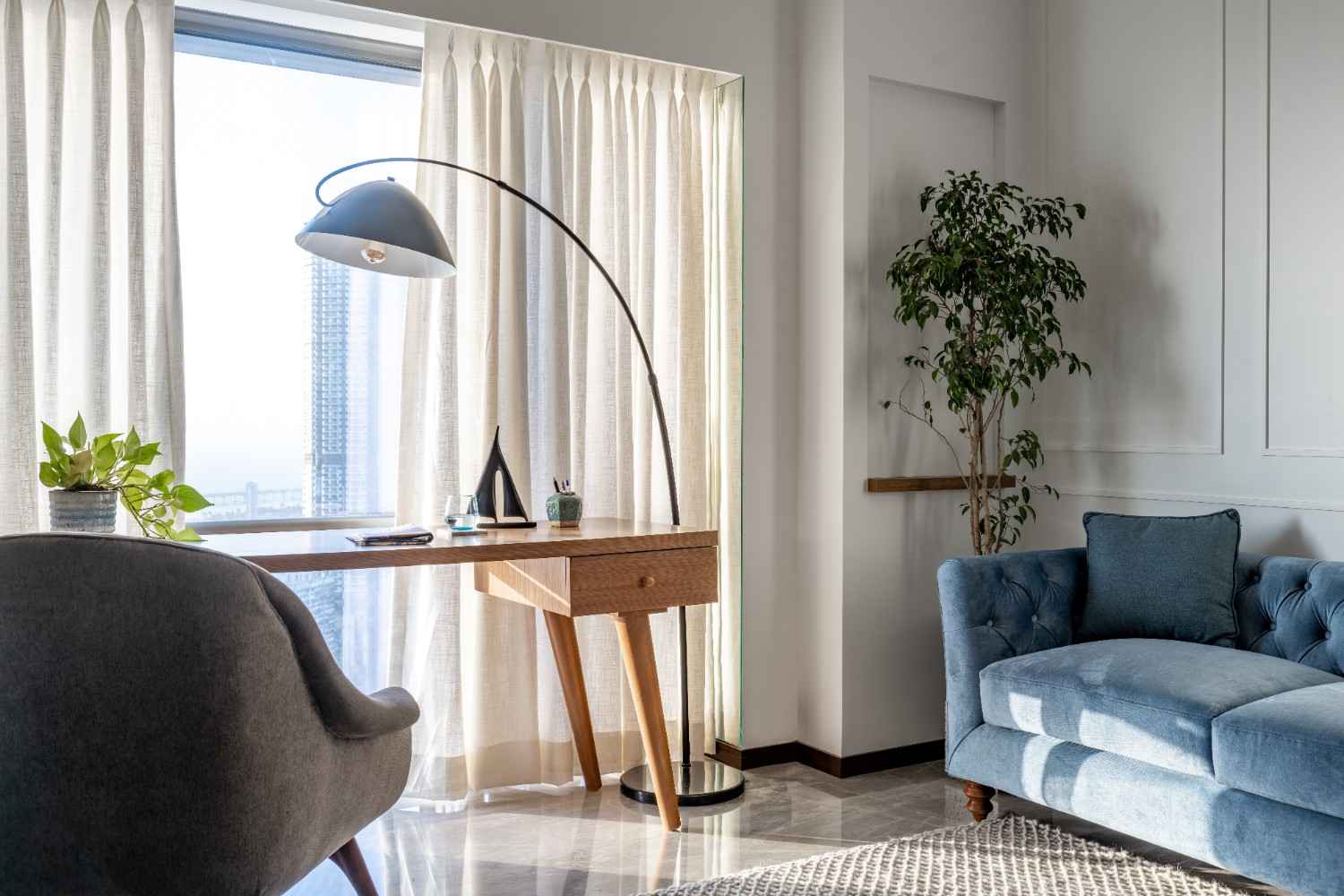
In a market increasingly driven by speed and spectacle, truly successful brands are choosing to slow down. They are moving away from trend-led fit-outs and short-term visual statements, and instead investing in commercial architecture that reflects longevity, intent, and identity. For luxury brands, founder-led enterprises, and private offices, architecture is no longer a backdrop—it is a strategic asset.
Across Mumbai and India’s Tier-1 cities, commercial spaces are being reconsidered as long-term environments rather than temporary shells. This shift is particularly visible among discerning clients who understand that design decisions made today will shape how a brand is perceived, experienced, and remembered over decades.
Architecture
as Brand Equity
In luxury commercial design, architecture functions much like brand language. The spatial proportions, material choices, circulation patterns, and even moments of pause communicate values long before a logo or product does. For brands that think long-term, the built environment becomes a form of brand equity—something that appreciates with time rather than depreciates with changing tastes.
Boutique commercial architecture firms, in particular, are well-positioned to deliver this depth. Their approach is not driven by templates or repeatable solutions, but by an intimate understanding of a client’s philosophy, ambitions, and future trajectory. Whether designing a private office, a flagship retail space, or a boutique hospitality project, the emphasis is on creating spaces that feel rooted rather than reactive.
Trends in commercial interiors evolve rapidly. What feels contemporary today can appear dated within a few years, often prompting costly renovations and visual fatigue. Brands focused on longevity recognise this risk. Instead of chasing novelty, they prioritise timeless architectural frameworks—strong spatial planning, clarity of movement, natural light, and materials that age gracefully.
Luxury commercial architecture in India is increasingly moving toward this restrained, thoughtful approach. High-end clients are seeking designs that remain relevant without constant reinvention. This does not mean spaces lack character or innovation; rather, innovation is embedded in planning, proportion, and experience rather than surface-level styling.
Founder-led businesses and legacy brands often require spaces that reflect personal values as much as commercial goals. In such projects, architecture becomes deeply narrative. A private office or headquarters is not simply a place of work, but an extension of leadership, culture, and vision.
Here, the role of the architect expands beyond problem-solving into curation and interpretation. Spatial identity is developed through subtle decisions—how one arrives at the space, how public and private zones are layered, how moments of openness contrast with areas of focus. These are not design choices that can be rushed or standardized; they emerge through dialogue, trust, and experience.
Why
Boutique Firms Matter in Luxury Commercial Architecture
Boutique architecture studios bring a level of involvement that larger firms often cannot sustain. Senior architects remain closely engaged throughout the process, ensuring that the original design intent is carried through every decision. This continuity is particularly important in luxury commercial projects, where detailing, material transitions, and spatial nuance define the final outcome.
In cities like Mumbai, Delhi NCR, Bangalore, and Hyderabad, where commercial real estate is dense and competitive, such attention to detail becomes a differentiator. Brands seeking premium commercial interiors are increasingly gravitating toward firms that offer depth over scale, and thoughtfulness over speed.
Designing commercial spaces for brands that think long-term is ultimately about restraint, confidence, and clarity. It is about creating environments that support a brand’s evolution rather than chase momentary relevance. In a landscape saturated with visual noise, these spaces stand apart quietly—through proportion, material honesty, and architectural integrity.
For luxury brands, private offices, boutique retail, and hospitality projects, the most successful spaces are those that feel inevitable rather than impressive. They are designed with patience, shaped by experience, and built to endure.
